A restored native forest patch near Bwindi is now supporting blue monkeys, a duiker and its newborn, and a growing diversity of native vegetation
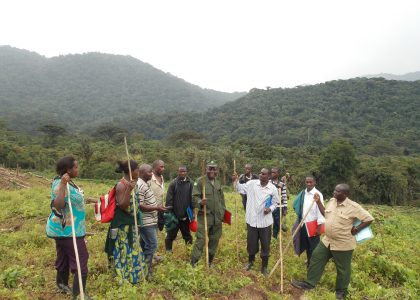
The Kobutsina Pocket Forest, restored by the CRU-Africa team near Bwindi Impenetrable Forest, is showing strong signs of ecological recovery. What was once a degraded patch of land—bare in many areas and dominated by exotic tree species—is now steadily transforming into a thriving native ecosystem. Over the past months, enrichment planting, habitat management, and close monitoring have helped the forest regain structure, canopy complexity, and ecological value.
From bare land to a living forest The early restoration phase focused on removing invasive exotic species and reintroducing native trees suited to the area’s natural ecology. With time, these species have established themselves, creating shade, stabilizing soil, attracting pollinators, and forming a habitat that can support wildlife again. The forest floor now has more moisture, young seedlings are regenerating naturally, and the canopy is thickening—clear indicators of a recovering ecosystem.
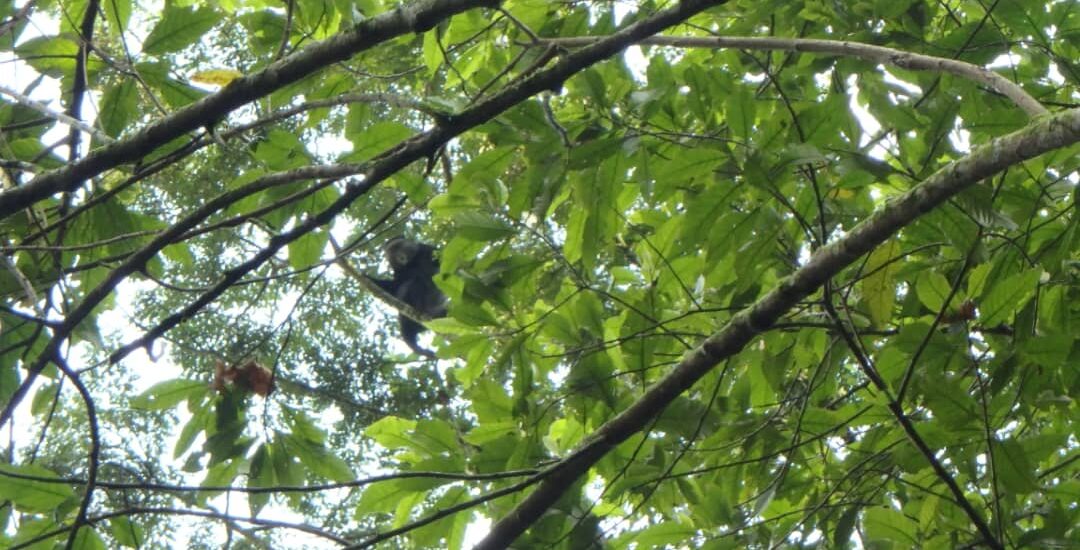
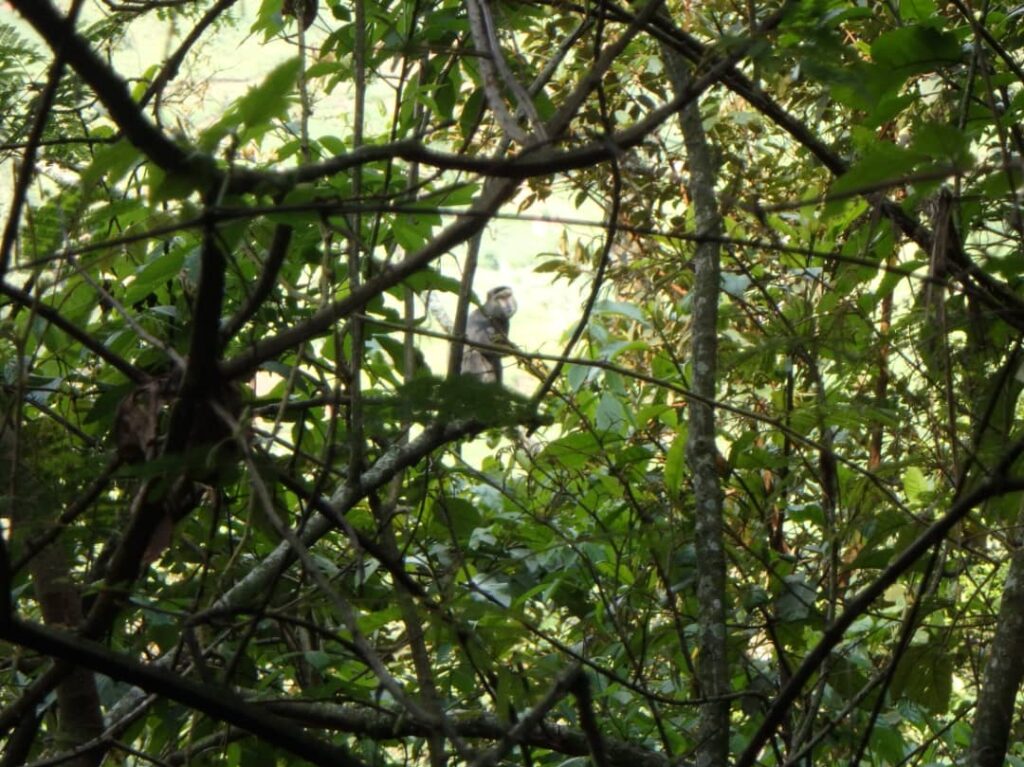
TBlue monkeys and a duiker calf mark a major milestone One of the clearest signs that Kobutsina is healing is the return of wildlife. A group of 24 blue monkeys from the Daika family, along with six infants, was recently observed moving through the restored canopy. Their presence is a significant ecological milestone, showing that the habitat now provides food, shelter, and safe movement corridors.
In addition, a duiker and its newborn calf were sighted within the forest. Duikers require quiet, shaded, structurally rich habitats, and their presence confirms that the forest is beginning to function again as a suitable refuge for both arboreal and terrestrial species.
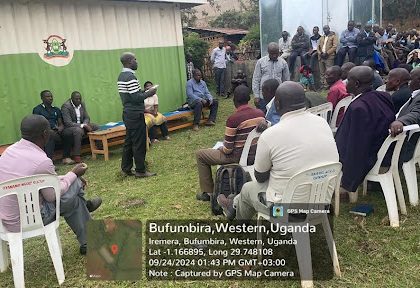
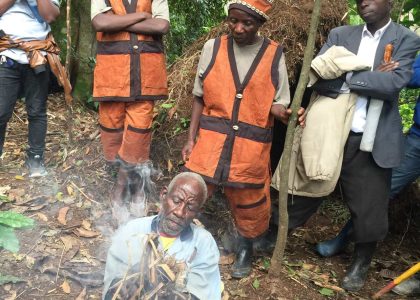
Restoration as a community and partnership effort The progress at Kobutsina is the result of collective effort. Support from partners, including the International Tree Foundation, has made it possible to guide the forest from degradation to resilience. Local community members have played an active role in boundary protection, nursery management, and ongoing monitoring.
The forest’s transformation is a hopeful reminder that even small patches of land, when restored with intention and care, can revive wildlife, strengthen biodiversity, and support both people and nature.